




Large-scale projects demand precision, timing, and careful planning. One of the most critical elements in such projects is steel. It forms the backbone of modern construction, from skyscrapers to bridges. Efficient steel supply is not just about availability; it’s about ensuring the right type, quality, and quantity reaches the site at the right moment. Missteps in steel logistics can delay entire projects and escalate costs.
Planning Steel Supply Chains Early
Steel supply refers to the sourcing, transporting, and delivering of steel for construction needs. For large projects, planning the steel supply chain early is essential. This involves identifying reliable suppliers, estimating quantities accurately, and setting realistic delivery schedules. Early planning reduces the risk of delays and ensures that the project stays within budget. Coordinating supply with project timelines helps maintain smooth progress.
Optimizing Inventory for Steel Supply
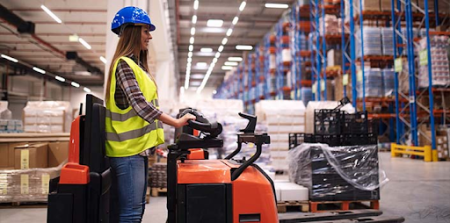
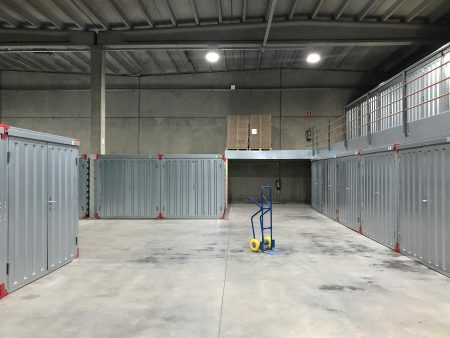
Managing inventory is a crucial part of steel supply. Too little stock can halt construction, while excess steel ties up capital and storage space. Large projects often use a just-in-time delivery system to balance supply with demand. This approach minimizes storage costs and keeps materials available when needed. Optimizing inventory ensures the steel supply is efficient, cost-effective, and aligned with the project’s pace.
Supplier Collaboration in Steel Supply
Working closely with suppliers strengthens the steel supply strategy. Collaboration allows project managers to anticipate potential shortages or delays. Regular communication and transparent forecasting improve delivery reliability. Suppliers may also provide value-added services like pre-fabrication or cutting steel to specific sizes, which saves time on-site. A strong partnership enhances the overall efficiency of steel supply for complex projects.
Logistics and Transportation Strategies
Transportation is a vital component of steel supply. Large-scale projects require careful planning of how steel is moved from mills to the construction site. Choosing the right transport method, whether by rail, truck, or ship, depends on cost, distance, and time constraints. Proper scheduling reduces congestion on-site and ensures that steel arrives in the condition required. Logistics strategies are as important as the supply itself in keeping projects on track.
Risk Management and Contingency Planning
Unexpected challenges can disrupt steel supply. Fluctuating prices, supplier shortages, or transportation delays can affect project timelines. Implementing risk management strategies is essential. This might include maintaining backup suppliers, stockpiling critical materials, or flexible contract terms. Contingency planning ensures that large projects can adapt without halting work or compromising quality.
Sustainability Considerations in Steel Supply
Sustainable practices are increasingly important in steel supply. Using recycled steel, optimizing transport routes, and reducing waste contribute to greener projects. Large-scale constructions can benefit from integrating sustainability into steel supply planning. Not only does this meet environmental regulations, but it also supports long-term cost efficiency and corporate responsibility.
Conclusion
Efficient steel supply is the backbone of successful large-scale projects. From early planning and inventory management to supplier collaboration and risk mitigation, every step matters. Incorporating logistics strategies and sustainability considerations strengthens the process further. By focusing on these key elements, projects can maintain timelines, reduce costs, and achieve structural excellence. Steel supply is not just a logistical task—it’s a strategic advantage.