





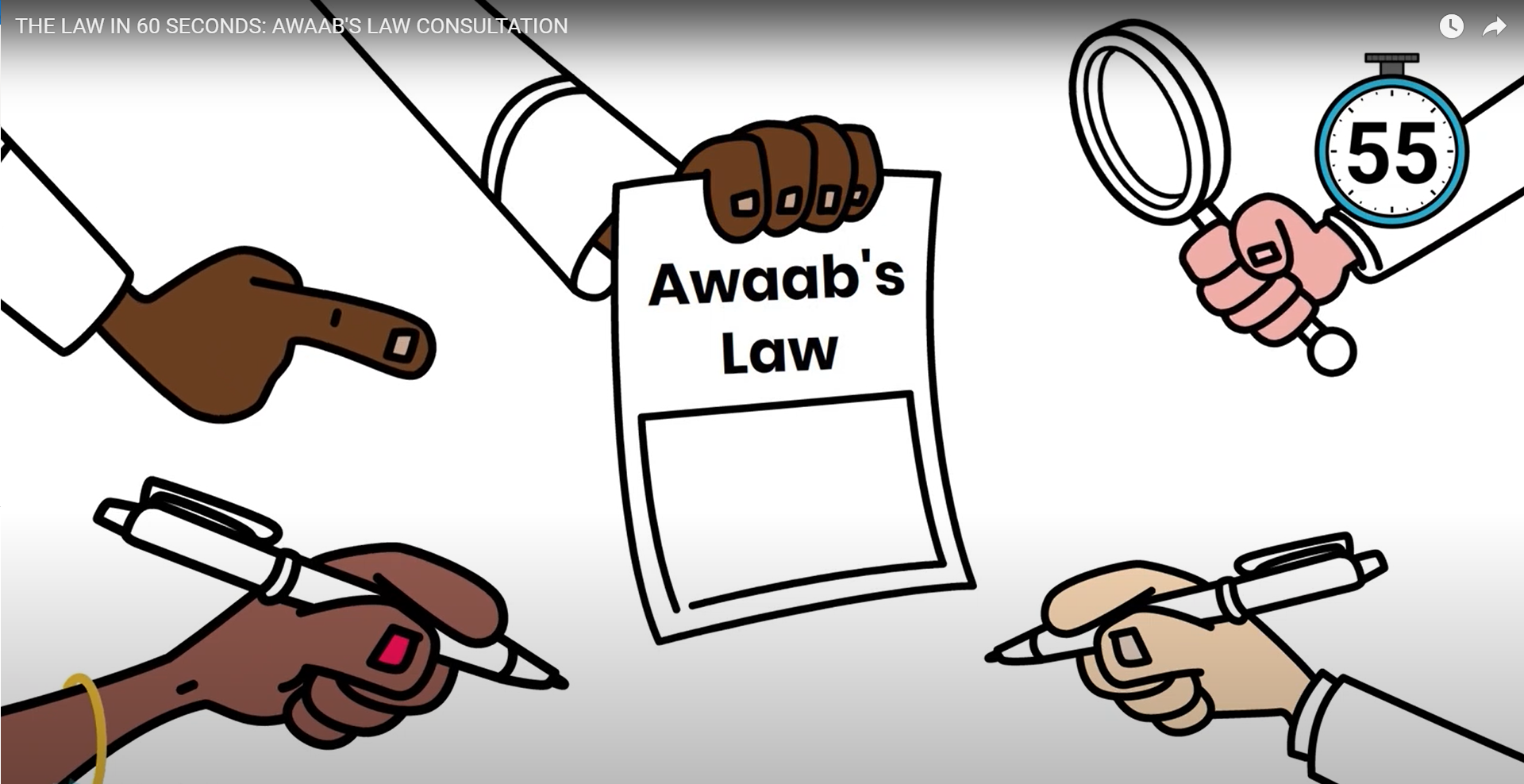
Awaab’s Law, introduced following the tragic death of Awaab Ishak, represents a landmark shift in property standards across the UK. For landlords, housing providers, and property managers, understanding this law is crucial—not only for compliance but to ensure safe, healthy living environments for tenants.
What Is Awaab’s Law?
Awaab’s Law forms part of the Social Housing (Regulation) Act. Its purpose is to compel landlords—particularly social housing providers—to act quickly when damp and mould hazards are reported. It sets strict timelines and accountability measures to protect tenants from dangerous living conditions.
The law ensures that hazards such as black mould, damp walls, and poor ventilation are treated as urgent issues requiring immediate action rather than routine maintenance.
Key Requirements Under Awaab’s Law
The legislation introduces clear timelines:
- Landlords must investigate damp and mould complaints within a specific, short timeframe.
- Necessary repairs must be carried out promptly.
- Clear communication with tenants is mandatory, ensuring updates at each stage.
Failure to meet these expectations can result in severe penalties, regulatory action, and reputational damage.
Why Damp and Mould Must Be Taken Seriously
Damp and mould are not just cosmetic issues—they pose serious health risks, particularly to children, the elderly, and individuals with respiratory conditions. Problems often arise from:
- Poor ventilation
- Leaks or plumbing failures
- Structural defects
- High indoor humidity
Awaab’s Law places responsibility squarely on landlords to identify the root causes rather than placing blame on tenant lifestyle.
What Landlords Must Do Now
To stay compliant, landlords should implement proactive measures:
- Conduct Regular Inspections
Routine property checks help detect early signs of damp or mould. Scheduling inspections every six months is considered best practice. - Improve Reporting Systems
Ensure tenants can easily submit maintenance requests. Digital portals, mobile apps, and automated ticketing systems streamline communication and provide an audit trail. - Prioritise Repairs
Treat damp and mould as urgent. Establish clear internal timelines that match or exceed legal requirements. - Educate Tenants
Provide guidance on ventilation, heating usage, and moisture control. While landlords are responsible for structural issues, tenant education supports long-term prevention. - Keep Documentation
Maintain records of inspections, complaints, actions taken, and outcomes. This protects landlords if disputes or regulatory reviews occur.
Impact on the Housing Sector
Awaab’s Law has prompted significant change in the social housing sector. Housing providers are investing in better ventilation systems, improved insulation, and digital maintenance tracking software. Private landlords, though not the primary target, are adopting similar standards to avoid legal challenges and maintain tenant safety.
Final Thoughts
Awaab’s Law underscores the importance of safe, healthy homes. For landlords, compliance is not just a legal necessity but a moral responsibility. By understanding the law, improving processes, and taking proactive action, property owners can create safer living environments and restore trust across the housing sector.