




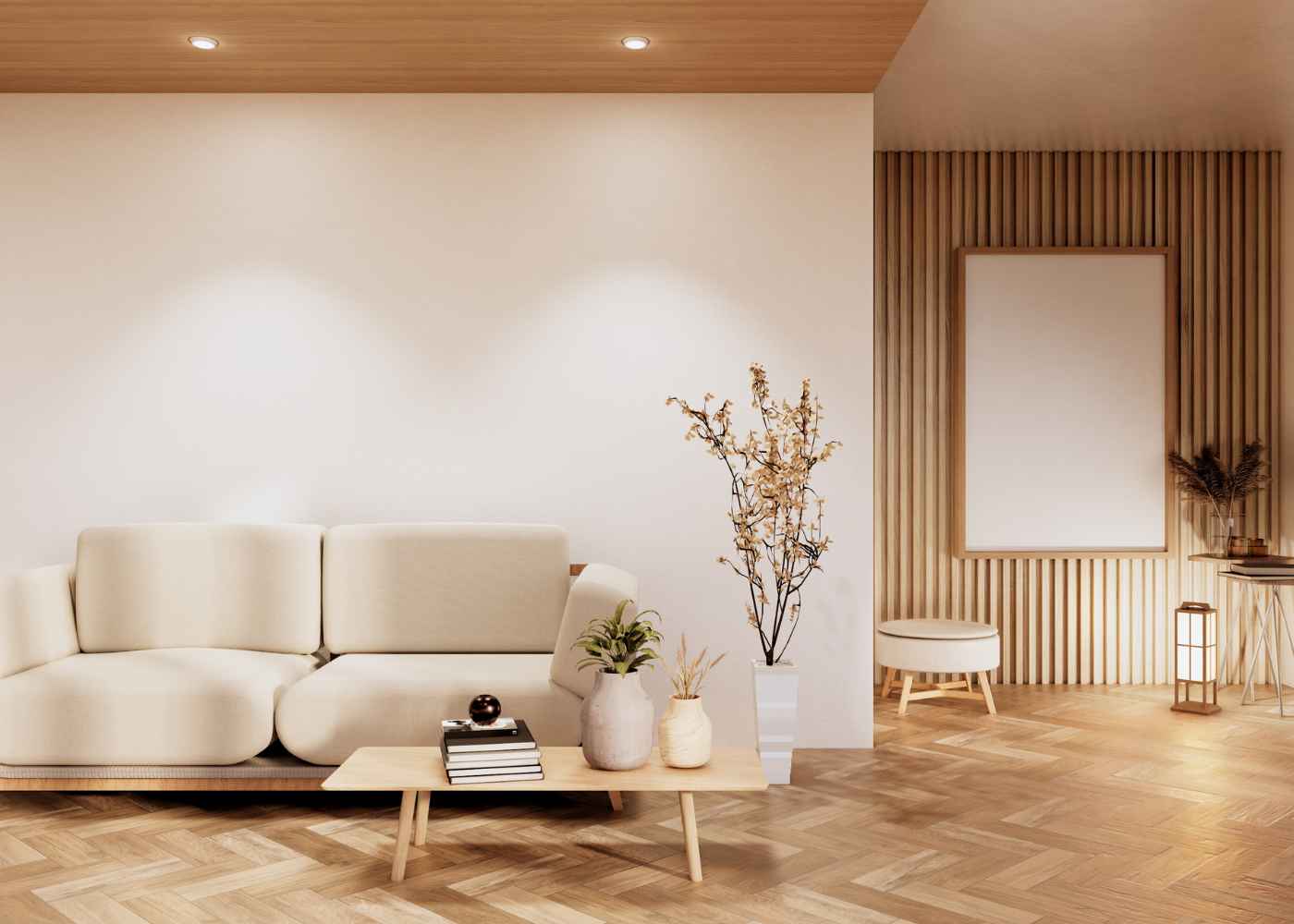
Empty walls create rooms that feel unfinished regardless of how carefully other elements have been selected. The right piece of wall art transforms a living space from merely functional to genuinely expressive, yet many homeowners struggle with the fundamental question of scale. Artwork that looks perfect in a gallery or online often appears surprisingly small once hung above a sofa. But pieces that seem large in photographs may overwhelm intimate spaces.
Understanding how to select appropriately scaled art prevents disappointment and wasted investment.
Measuring Your Wall Space
Before browsing any collection, take accurate measurements of the wall where art will hang. Note both the total wall dimensions and the usable space above furniture. A piece destined for the area above a couch should occupy roughly two-thirds of the sofa’s width to create visual balance.
Ceiling height affects perception significantly. Rooms with standard ceilings require different approaches than spaces with dramatic vertical dimensions. What works in a loft apartment may look lost in a room with conventional proportions.
Tape the proposed dimensions directly onto the wall before purchasing. This simple step reveals whether a particular size will achieve the impact you envision or fall short of expectations.
Understanding Scale and Proportion
The relationship between art and surrounding elements determines whether pieces feel intentional or accidental. Small art on large walls appears tentative, as though the decorator ran out of budget or confidence before completing the room. Oversized pieces in compact spaces can feel aggressive rather than bold.
Consider the furniture beneath where art will hang. The artwork should complement rather than compete with sofas, consoles and other pieces. A substantial sectional demands art with corresponding presence while a delicate loveseat pairs better with more modest dimensions.
Empty space around artwork matters as much as the piece itself. Crowding walls with edge-to-edge coverage eliminates the breathing room that allows individual pieces to make statements.
Selecting Statement Pieces
Large-scale art has become increasingly accessible to homeowners who previously assumed oversized pieces remained beyond their budgets. Choosing companies like Big Wall Decor ensures access to the biggest sizes available online, with lightweight fabric prints that bring life to empty walls without the complexity and expense traditional galleries require.
Statement pieces work best when allowed to dominate their walls without competition. A single oversized artwork often creates more impact than multiple smaller pieces arranged in groups. The confidence of scale communicates intentionality that cluttered arrangements cannot achieve.
Living rooms typically benefit from at least one significant piece that anchors the space visually. This focal point draws the eye and establishes the room’s personality more effectively than numerous smaller elements scattered throughout.
Considering Viewing Distance
The distance from which art will typically be viewed affects appropriate sizing. Living rooms where people sit several feet from walls can accommodate larger pieces that would overwhelm hallways or other spaces viewed from close range.
Details visible in smaller works may disappear when viewed from across a room. Abstract pieces and bold graphic designs often translate better at distance than intricate works requiring close examination to appreciate fully.
Walk through your space and note where people actually spend time. The views from sofas and chairs matter more than theoretical perspectives nobody will actually experience.
Matching Art to Room Style
Contemporary spaces often embrace oversized art that traditional rooms might find overpowering. Modern minimalist interiors particularly benefit from large-scale pieces that provide visual interest without cluttering clean lines. A single dramatic artwork can serve as the primary decorative element in rooms designed around simplicity.
Traditional spaces may require more careful integration of scaled pieces. The art should feel connected to other decorative elements rather than imported from an entirely different aesthetic vocabulary.
Color relationships between art and existing furnishings deserve attention. Pieces that echo accent colors or complement dominant palettes integrate more successfully than those introducing completely foreign color schemes.
Planning for Flexibility
Living spaces evolve as tastes change and lives progress. Swappable art systems allow homeowners to update their walls without purchasing new frames or starting completely over. The ability to change artwork seasonally or whenever inspiration strikes provides freedom that permanent installations cannot match.
Renters face particular challenges finding damage-free solutions that still deliver impact. Lightweight materials and innovative hanging systems now enable substantial-looking art without the nail holes and wall damage that threaten security deposits.
Consider future flexibility when selecting both artwork and mounting systems. The pieces you love today may not suit the space you inhabit tomorrow, making adaptable solutions increasingly attractive for homeowners who value the ability to refresh their environments without major reinvestment.
